Friday, January 30, 2009

Fruit

Apricot

Anemia, constipation, cold.

Plum

Tiredness, cavities, colds and flu. When no green is considered a laxative.

Cherry

Problems of chronic gallbladder

Coco

Worms, anemia, cancer and mental fatigue.

Raspberry

Anemia; neutralizes acidity.

Strawberry

Hypertension, constipation, diabetes and rheumatism. Neutralizes acid.

Guava

Anemia, heart ailments and hypertension.

Fig

Laxative.

Lime

Diabetes

Lemon

Acne, poor digestion, low defense, high cholesterol and infections.

Tangerine

Detoxifying and respiratory diseases.

Mango

Bones, teeth and heart problems. Intestinal irritation.

Apple

Circulation, high cholesterol, constipation, obesity.

Peach

Regulates the intestines.

Melon

Diabetes, purifies the skin ailments,& infections

Orange

Activates and stimulates acid

Papaya

Heartburn and inflamed colon.

Pear

Regulates the intestines.

Pineapple

Intestinal parasites, bronchitis and cystitis. Sore throat, colds,

Banana

Asthma, cramps, depression and stress.

Grapefruit

Cholesterol, burn fat and fluid retention.

Grape

Antioxidant, cancer, hypertension, anemia and cleans the blood.


Thursday, January 22, 2009

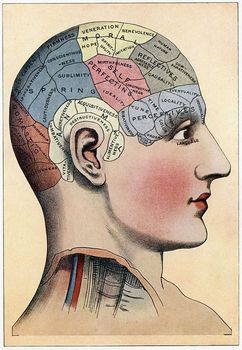
Fascinating Facts You Never Knew About the Human Brain


brainThe human brain has amazed and baffled people throughout the ages. Some scientists and researchers have devoted their entire lives to learning how the brain works. Here are some facts about your brain.


Your brain is actually very much like a muscle. That is, your brain's structure changes over time and it may be possible to "bulk up" your brain throughout much of adulthood. And continuing to stimulate and challenge your brain as you get older might promote its growth -- just as exercise builds muscle.

Physical Attributes

The weight of your brain is about 3 pounds.

Your skin weighs twice as much as your brain.

Your brain is made up of about 75 percent water.

Your brain consists of about 100 billion neurons.

There are anywhere from 1,000 to 10,000 synapses for each neuron.

There are no pain receptors in your brain, so your brain can feel no pain.

There are 100,000 miles of blood vessels in your brain.

Your brain is the fattest organ in your body and may consists of at least 60 percent fat.

The Developing Brain

At birth, your brain was almost the same size as an adult brain and contained most of the brain cells for your whole life.

A newborn baby’s brain grows about three times its size in the first year.

Humans continue to make new neurons throughout life in response to mental activity.

The first sense to develop while in utero is the sense of touch. The lips and cheeks can experience touch at about 8 weeks and the rest of the body around 12 weeks.

Brain Function

Your brain uses 20 percent of the total oxygen in your body.

If your brain loses blood for 8 to 10 seconds, you will lose consciousness.

While awake, your brain generates between 10 and 23 watts of power -- or enough energy to power a light bulb.

The old adage of humans only using 10% of their brain is not true. Every part of the brain has a known function.

The brain can live for 4 to 6 minutes without oxygen, and then it begins to die. No oxygen for 5 to 10 minutes will result in permanent brain damage.

A study of 1 million students in New York showed that students who ate lunches that did not include artificial flavors, preservatives, and dyes did 14 percent better on IQ tests than students who ate lunches with these additives.

Psychology of Your Brain

You can’t tickle yourself because your brain distinguishes between unexpected external touch and your own touch.

There is a class of people known as supertasters who not only have more taste buds on their tongue, but whose brain is more sensitive to the tastes of foods and drinks. In fact, they can detect some flavors that others cannot.

The connection between body and mind is a strong one. One estimate is that between 50-70 percent of visits to the doctor for physical ailments are attributed to psychological factors.

Memory

Every time you recall a memory or have a new thought, you are creating a new connection in your brain.

Memories triggered by scent have a stronger emotional connection, and therefore appear more intense than other memory triggers.

While you sleep at night may be the best time for your brain to consolidate all your memories from the day. Lack of sleep may actually hurt your ability to create new memories.

Dreams and Sleep

Most people dream about 1-2 hours a night and have an average of 4-7 dreams each night.

Studies show that brain waves are more active while dreaming than when you are awake.

Some people (about 12 percent) dream only in black and white while others dream in color.

While you sleep, your body produces a hormone that may prevent you from acting out your dreams, leaving you virtually paralyzed.

How to Keep Your Brain Healthy: Nine Essential Tips

1. Taking omega-3 fats

2. Exercising

3. Sleeping well

4. Eating healthy

5. Getting out into the sun

6. Turning off the T.V.

7. Protecting your brain from cell phones


8. Challenging your brain

9. Avoiding foods that contain artificial sweeteners and additives

You may notice that all of these things will help not only your brain but also your entire body. So being good to your brain means enjoying better health from head to toe!

Sunday, January 18, 2009

Why I continue

As a member of interact we usually have adults come in and present their ideas about leadership, the future and many more subjects. Recently we had a man come in and although I don't remember his name I do remember what he spoke about. He said that in the next couple of years we will be known as the globalization decade, meaning that every aspect of life would be determined by a computer. This made me think, why should I stop blogging when in reality it is the future.

Technology has grown so much and one thing for sure is that it will continue to grow. I have been taught the art of blogging and although it is not part of my class assignment anymore I will try my hardest to continue.

Blogging has opened my eyes to so many new ideas and thoughts especially in medicine that I feel there still so much I still want to learn.

I forgot the most important part, Thank You Ms Stoklosa for everything you done for us, for teaching us beyond what we know, and challenging us to the max! Thank you for giving me a piece of the future( blogging).

Wednesday, January 7, 2009

Brain Food

Now that finals are coming up I thought it would be cool to know what kind of foods would be beneficial to our brains to function better when we take our exams.

Brain Food: How to Eat Smart

How you eat can affect your mind at a fundamental levels. Here are five things you should know about feeding your brain:

1. Don’t overdose on sugar

The brain, which accounts for 2 percent of our body weight, sucks down roughly 20 percent of your daily calories. It demands a constant supply of glucose. But this doesn’t mean that you should slurp soda to keep your brains functioning optimally. In fact, high glucose levels slowly but surely damage cells everywhere in your body, including those in your brain.

2. Become a grazer

To optimize brain power, one tactic might be more frequent but smaller meals. The brain works best with about 25 grams of glucose circulating in the blood stream -- about the amount found in a banana.

3. Eat foods that don’t raise blood glucose levels

Pretzels cause blood sugar to rise very quickly. Raw carrots, however, do not. High fiber carbohydrates are raise blood glucose levels relatively slowly, and combining them with fat or protein can slow absorption even more. The key is a balanced diet, where all macronutrients -- carbohydrates, fats and proteins -- are given their due.

4. Know your fats

Not all fats are equal. Trans fats, common in fast food, are the worst. However, the brain is 60 percent fat, and very low levels of cholesterol have been associated with depression, aggression and anti-social behavior. Essential fatty acids, such as omega-3s, are proving valuable in treating depression and other psychiatric disorders such as schizophrenia, as well as benefiting infant brain development.

5. Know yourself

Food affects everyone's brain a little differently. Listen to you body, and find out what choices are right for you.

Tuesday, January 6, 2009

Grapes


Every New Years night my family has the tradition of eating 12 grapes at exactly 12am. Those 12 grapes are suppose to represent 12 wishes, with each grape that you eat you must ask your self what you want in the new year. 12 grapes, meaning 12 months, meaning 12 new dreams, accomplishments or wishes.

As I sat down to do my blog I wondered why grapes? what's so special about them? Here is my answer.

The Grape
The grape is composed of iron, water (81%), potassium, calcium, silicon, phosphorus, sodium, magnesium chloride, protein, carbohydrate (15%), calories (76), vitamins A, Bl, B2, B6 , B3 and C, sulfur, zinc, iodine, boron, tartaric acid, citric, malic acid and tannin, sugar, glucose, and pigments, tannins, enzymes, potassium and lecithin.


The grape is used to combat persistent or chronic anemia, for spleen, improving colds, dilate bronchial relieve, stomach diseases, combat anemia and sudden attacks of high blood pressure.onmouseover="_tipon(this)" onmouseout="_tipoff()" >It is advisable to people in post-operative for its antiseptic and healing, it is also considered a fruit pediatric easily digested and very nutritious.

It turns out that grapes are one of the healthiest fruit.